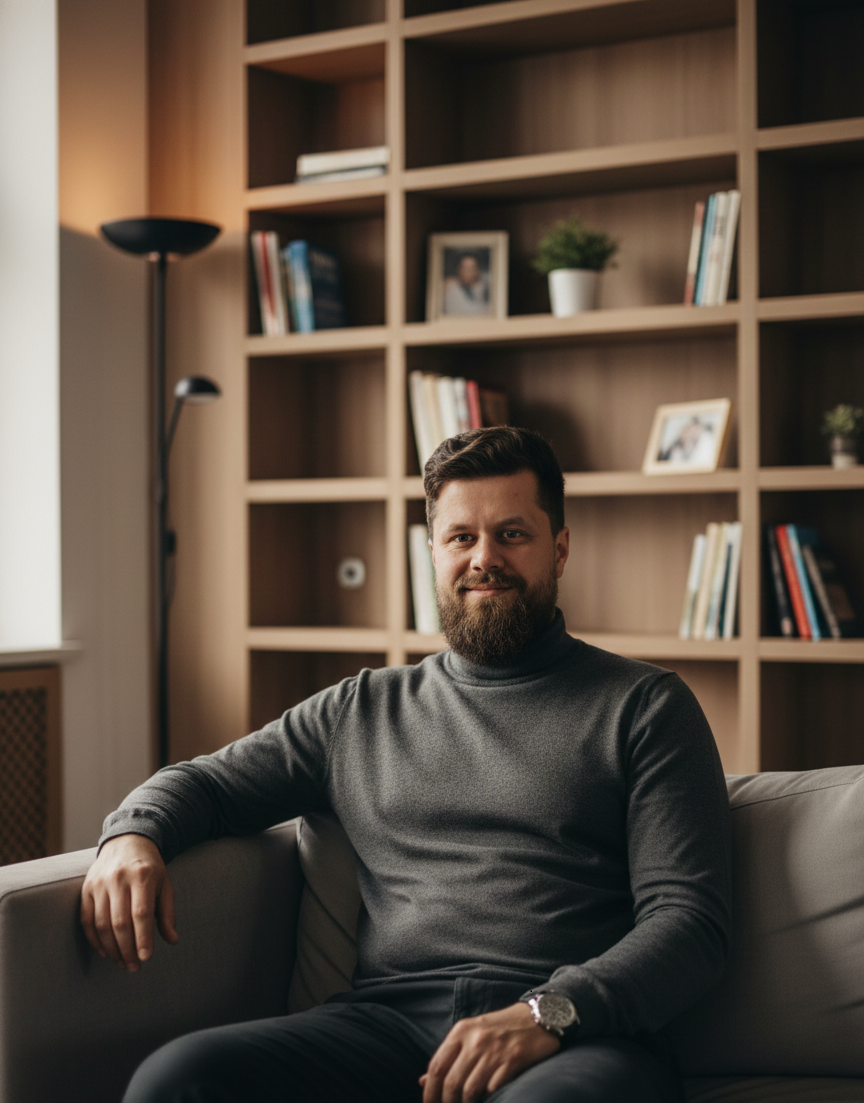
I started in FMCG sales at Doncafé, P&G and InBev, carrying a number like everyone else. For the next two decades I consulted on the question that followed me from those floors: what actually moves a sales team, and what only looks like movement on a slide.
I've trained more than 5,000 people across 50+ teams in pharma, automotive, telecom, IT and hospitality. Clients have included BMW Srbija (Delta Motors), Mylan and VIP Mobile.
Sales Alchemy™ is what those years taught me, written down: a consultative system built on how buyers actually decide, and on the idea that a good seller improves the buyer's decision, not just the odds of the sale.
The same lesson applies to AI. The technology is the easy part. The harder work is bringing people along, in a way that lasts past Friday.
2005
Started in FMCG sales. Frontline teams, real numbers.
2006
Moved into consulting on sales and performance.
2023
Founded Nicorp Ltd, London.
2025
Co-founded Nexum One. Built AI-powered SaaS platforms.
2026
Sales Alchemy™ Master Methodology v1.0.
Now
Helping B2B teams sell complex decisions, and leaders bring their people through AI.